
Electrification Gains Ground in the Philippine Automotive Market

Electrification is becoming a bigger part of the Philippine automotive market.

Electric vehicles (EVs) come in several forms. Battery electric vehicles (BEVs) run entirely on electricity, while hybrid electric vehicles (HEVs) combine electric propulsion with an internal combustion engine. Plug-in hybrid electric vehicles (PHEVs) also use both, but their batteries can be charged from an external power source.1

In 2022, the Electric Vehicle Industry Development Act (EVIDA) established a national framework for developing the country’s EV industry. The law covers areas such as EV adoption, charging infrastructure, manufacturing, and incentives.1

Adoption remained limited in the years immediately following EVIDA. In 2023, the Department of Energy (DOE) still described the Philippine EV sector as being in the “early stages of development.” By the end of that year, only 1,359 electric and 6,155 hybrid vehicles were registered nationwide.2,3

In 2025, the DOE further harmonized its EV recognition guidelines, establishing a consistent classification system across different EV technologies and streamlining industry processes. The updated guidelines cover BEVs, HEVs, PHEVs, light electric vehicles (LEVs), range-extended electric vehicles (REEVs), and fuel cell electric vehicles (FCEVs).4

A Changing Case for Electrification

Cost has become a bigger consideration in vehicle ownership.

Fuel prices, in particular, have shown how quickly operating costs can change when global oil markets become volatile.

This was evident in vehicle sales in 2026. Higher pump prices amid geopolitical tensions in the Middle East affected vehicle-buying behavior, according to the Chamber of Automotive Manufacturers of the Philippines, Inc. (CAMPI). In April, overall vehicle sales fell 18.9% year-on-year, while electrified vehicle sales rose 288% to 5,855 units. CAMPI linked the stronger demand for electrified and fuel-efficient vehicles partly to buyers becoming more conscious of practicality as fuel prices increased.5

Rising fuel costs give consumers another reason to consider electrified vehicles. Environmental concerns may appeal to some, while fuel efficiency, operating costs, technology, or using less gasoline may matter more to others.

More Brands, More Electrified Choices

The Philippine automotive market now offers considerably more electrified choices than it did only a few years ago.

Omoda & Jaecoo formally entered the Philippine market in 2025 with three battery-electric models and plans to expand its dealership network.6 BYD has also continued to broaden its local presence following strong sales of its electrified vehicles, recording 26,122 retail sales in 2025.7

Tesla began vehicle sales in the Philippines in 2024, bringing the Model 3 and Model Y directly into the local market.

Japanese automakers have also expanded their electrified lineups. Toyota, which introduced the Prius hybrid to the Philippines as early as 2009, has steadily added HEVs across several vehicle segments. It launched its first Toyota-branded BEV in the country, the bZ4X, in December 2025 and has since added more hybrid and battery-electric models to its local portfolio.8

Consumers are no longer choosing simply between a conventional vehicle and an electrified one. They also have to consider different types of electrification, brands, vehicle categories, and price points.

Electrified Vehicles Are Gaining Ground

Data from the Philippine Statistics Authority show that registered electric vehicles increased from 1,359 in 2023 to 6,697 in 2024. Hybrid registrations rose from 6,155 to 17,590 over the same period.3

The upward trend continued in 2025. From January to July alone, 29,715 EVs were registered with the Land Transportation Office (LTO), already exceeding the 24,286 registrations recorded for the whole of 2024. EVs accounted for nearly 5% of new vehicle registrations during the period, with the DOE describing this as a threefold increase since 2023.4

The contrast became more pronounced in 2026. CAMPI and the Truck Manufacturers Association (TMA) reported total vehicle sales of 204,557 units in the first six months of the year, down 11.4% from 230,912 during the same period in 2025. In June alone, however, electrified vehicle sales reached 6,995 units, with BEVs, HEVs, and PHEVs together accounting for 28% of vehicle sales for the month.9,10

The trend continued into July. From January to July 2026, CAMPI-TMA vehicle sales reached 241,725 units, down 10% year-on-year. Over the same period, electrified vehicle sales rose 136% to 38,286 units from 16,195 a year earlier. HEVs accounted for 20,716 units, while BEV sales reached 10,476 and PHEV sales reached 7,094.11


In July alone, CAMPI-TMA members sold 7,086 electrified vehicles, up 162% from 2,707 units in July 2025. Electrified vehicles accounted for 29.5% of vehicle sales during the month.11

Conventional vehicles still dominate the country’s vehicle population. Gasoline-powered vehicles accounted for 78.7% of registered vehicles in 2024. But recent sales figures show that electrified vehicles are gaining ground even while the wider automotive market is experiencing weaker sales.3,9,11

The EV Ecosystem Is Catching Up

EVIDA created the framework for expanding EV charging infrastructure and required certain establishments to provide dedicated EV parking and charging facilities.1 Since then, charging has become more visible at commercial establishments, dealerships, and along key routes.

The country had 912 publicly accessible charging stations in March 2025, with the network continuing to grow as more providers entered the market.12

Measures introduced under EVIDA and subsequent policies have included tax and other fiscal incentives for EVs and EV-related activities. The law also provides for incentives aimed at encouraging local EV manufacturing, charging infrastructure, and investment.1

Charging facilities are being installed at selected dealerships, while brands entering or expanding in the country are building dealer and service networks alongside their vehicle offerings. Toyota, for example, has installed charging stations at selected dealerships in Metro Manila and Metro Cebu, with plans to expand to other areas.8

For consumers, some of the practical barriers to owning an EV are beginning to ease.

More Choices Bring New Questions

A buyer considering an electrified vehicle can now choose among BEVs, HEVs, and PHEVs from a growing number of manufacturers. Having more options, however, can make the purchase decision more complex.

Price, fuel savings, charging access, range, brand reputation, vehicle size, technology, after-sales support, and familiarity with electrification can all come into play. One consumer may ultimately choose an HEV, while another may be comfortable moving directly from a conventional vehicle to a BEV.

Knowing that EV sales are growing is useful. Knowing why consumers are choosing them—and what they are choosing between—is another matter.

Which brands are consumers considering? Which vehicle attributes carry the most weight in the purchase decision? What concerns prevent interested buyers from making the switch? How do consumers decide between an HEV, PHEV, and BEV?

For those who have already made the shift, the questions are different. What convinced them to buy an electrified vehicle? Why did they choose one type over another? Which considerations mattered most? And after living with the vehicle, has the experience met their expectations?

Understanding the Consumer Behind the Shift

As more brands and models compete for buyers, manufacturers and marketers need to understand what is actually driving consumer choice.

Research can identify what consumers are looking for, which brands make it into their consideration set, and which attributes ultimately influence the purchase. It can also show whether the factors that attract consumers to EVs are the same ones that eventually drive purchase.

Existing owners offer another source of insight. Their reasons for adopting, the factors that influenced their choice of vehicle and powertrain, experience after purchase, satisfaction, and willingness to buy or recommend an EV again can show how ownership compares with their expectations.

The next wave of EV buyers may have different priorities, concerns, and expectations from those who adopted the technology early.

Automotive is one of the research specializations of RLR Research & Analysis. Through quantitative and qualitative research, RLR can examine the factors behind EV consideration and purchase, brand consideration, perceptions of BEVs, HEVs, and PHEVs, and the experiences of existing owners.

The Philippine EV market is no longer defined by a lack of options. The next challenge is understanding which of those options Filipino consumers will choose—and why.

If your organization wants to better understand the Filipino EV consumer, get in touch with RLR Research & Analysis by sending us an email or filling out our quotation request form to discuss your research needs.

Resources

  1. Rep. Act No. 11697. (2022). ↩︎
  2. Department of Energy, Guidelines on the electric vehicle (EV) recognition and adoption of EV standard classification on road transport for incentive eligibility pursuant to the Electric Vehicle Industry Development Act (EVIDA), DOE Department Circular No. DC2023-05-0012 (May 12, 2023). ↩︎
  3. Philippine Statistics Authority. “Number of Registered Electric Vehicles Increased Almost Fivefold in 2024.” Philippine Statistics Authority. Accessed August 28, 2026. https://psa.gov.ph/content/number-registered-electric-vehicles-increased-almost-fivefold-2024/ ↩︎
  4. Department of Energy. “DOE harmonizes electric vehicle recognition guidelines to streamline industry processes and support EV adoption.” Philippine Information Agency. Accessed August 28, 2026. https://pia.gov.ph/press-release/doe-harmonizes-electric-vehicle-recognition-guidelines-to-streamline-industry-processes-and-support-ev-adoption/ ↩︎
  5. Zapanta, Logal Kal-El M. “PH car sales drop 19% in April as Mideast crisis tempers demand.” Inquirer. Accessed August 28, 2026. https://business.inquirer.net/592076/ph-car-sales-drop-19-in-april-as-mideast-crisis-tempers-demand/ ↩︎
  6. Crismundo, Kris. “Chinese EV brand to open 24 dealerships in PH in 2025.” Inquirer. Accessed August 28, 2026. https://business.inquirer.net/507234/chinese-ev-brand-to-open-24-dealerships-in-ph-in-2025 ↩︎
  7. BYD Cars Philippines. “BYD Cars Philippines Achieves Record Sales in 2025; Renews Distributorship with ACMobility.” BYD Cars Philippines. Last modified August 19, 2026. https://bydcarsphilippines.com/blog/byd-record-sales-2025-renews-distributor/ ↩︎
  8. Toyota Motors Philippines. “FEARLESS ENERGY, MULTIPLE POSSIBILITIES: Toyota Motor Philippines officially launches bZ4X BEV.” Toyota Motors Philippines. Accessed August 28, 2026. https://www.toyota.com.ph/news/toyota-motor-philippines-officially-launches-bz4x-bev/ ↩︎
  9. Zapanta, Logan Kal-El M. “Philippine auto sales down 11% in H1.” Inquirer. Accessed August 28, 2026. https://business.inquirer.net/601827/philippine-auto-sales-down-11-in-h1/ ↩︎
  10. Villanueva, Joann. “Auto industry group sees hike in car sales for second half of 2026.” Philippine News Agency. Accessed August 28, 2026. https://www.pna.gov.ph/articles/1280102/ ↩︎
  11. Zapanta, Logan Kal-El M. “EVs continue to defy auto sales downturn.” Inquirer. Accessed August 28, 2026. https://business.inquirer.net/607548/evs-continue-to-defy-auto-sales-downturn/ ↩︎
  12. Department of Energy. “PH expands EV charging infrastructure with stronger regulations and public consultation drives.” Philippine Information Agency. Accessed August 28, 2026. https://pia.gov.ph/news/ph-expands-ev-charging-infrastructure-with-stronger-regulations-and-public-consultation-drives/ ↩︎
Margin of Error: What Does It Really Mean for Your Survey Results?

Ever watched a commercial claiming that 99.9% of bacteria will be killed, or that 4 out of 5 dentists recommend a particular brand? Numbers like these may sound convincing, but how confident can we be that they reflect the bigger picture?

When it comes to market research, survey results are based on a sample of people rather than the entire population. This means there is always some level of uncertainty around the results. This is where Margin of Error comes in.

What Is the Margin of Error?

Margin of error tells us how much a survey result may differ from the actual result in the wider population. It is usually expressed as a plus-or-minus (±) figure, giving us a range around the survey result.

For example, if a survey finds that 60% of consumers prefer Brand A, with a ±5% margin of error, the result suggests that the actual proportion in the wider population could be around 55% to 65%, based on the study’s statistical assumptions.

In simple terms, margin of error helps us understand how much uncertainty comes with a survey result.

What Affects the Margin of Error?

A survey’s margin of error is influenced by several factors, including how many people were surveyed, and how responses are distributed across the sample, and the confidence level used in the study.

Sample size matters. Generally, the more people you survey, the more precise your results become. For example, a sample of 400 can produce a margin of error of approximately ±5%, while a sample of around 1,100 can bring it down to approximately ±3%, assuming a 95% confidence level and other standard assumptions.

More respondents generally mean more precise results, but there comes a point where adding more respondents makes only a small difference. For businesses, this means that simply aiming for the largest possible sample may not always be the most efficient use of time and budget. The right sample size should be based on the research objectives, target population, and level of precision needed to make a confident business decision.

The proportion of respondents giving a particular answer also affects the margin of error. Results around 50% generally have the largest margin of error, while results closer to 0% or 100% tend to have a smaller one. This is because responses are more evenly split when a result is around 50%, creating greater uncertainty in the estimate.

The confidence level also affects the margin of error. It indicates how certain we can be that the estimated range includes the true population value. A higher confidence level increases the certainty, but it also results in a wider margin of error. In market research, a 95% confidence level is commonly used.

Most importantly, sample size alone does not determine the quality of a study. If the wrong people are surveyed or the research methodology is flawed, the findings can still be inaccurate—even with thousands of respondents.

Why Does Margin of Error Matter in Market Research?

For businesses, survey results are often used to make important decisions—from understanding brand awareness and purchase intent to measuring customer satisfaction, testing new concepts, understanding market preferences, and tracking changes over time.

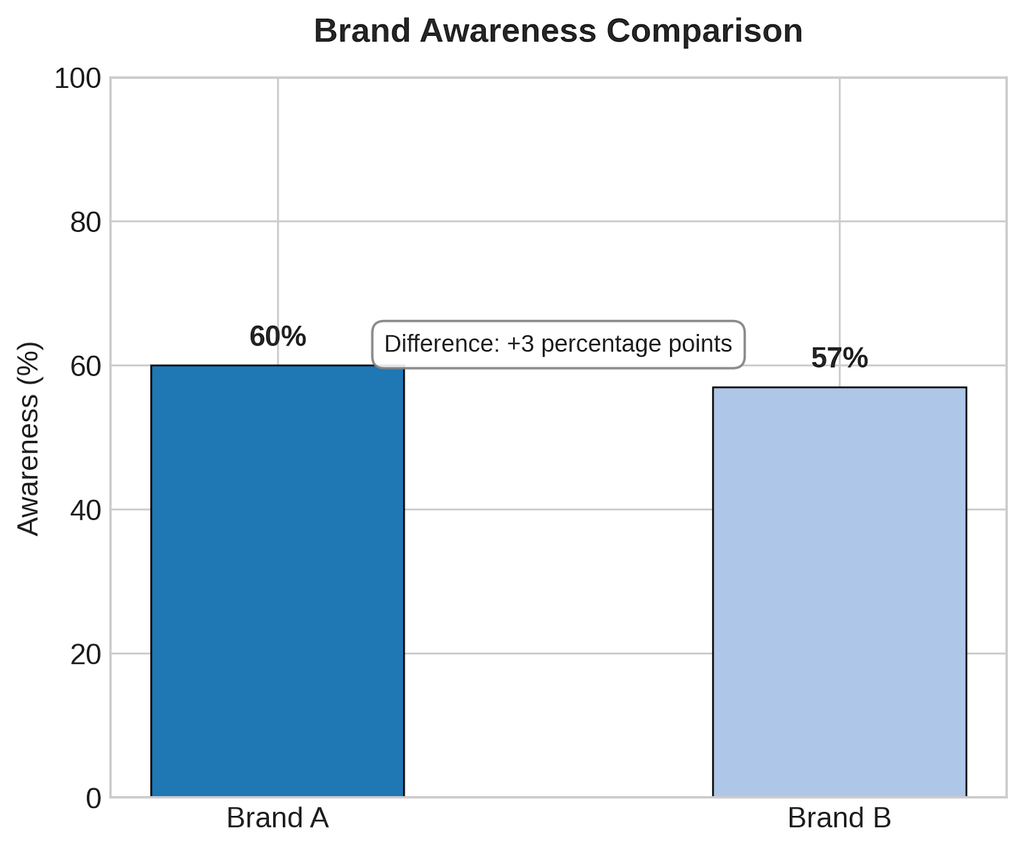
Consider a simple example: Brand A has 60% brand awareness, while Brand B has 57%. At first glance, Brand A appears to be ahead by 3 percentage points. But is that difference meaningful, or could it simply be variation within the sample?

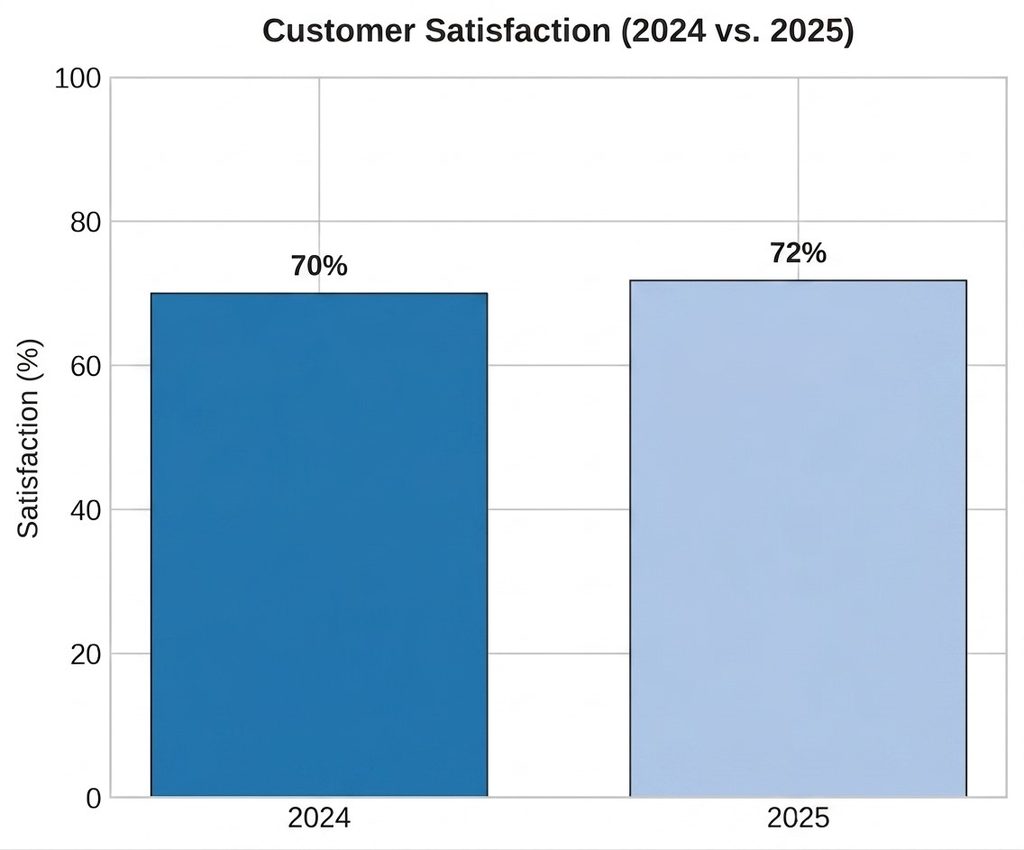
The same applies to tracking studies. If customer satisfaction increases from 70% to 72%, it may be tempting to conclude that satisfaction has improved. However, the change may not be large enough to indicate a genuine shift in the wider market.

This is why survey numbers should not be viewed in isolation. Researchers need to consider the sample size, sampling approach, margin of error, and overall study design when determining whether a finding represents a meaningful difference or simply normal variation in the data.

Beyond the Numbers: How RLR Can Help

At RLR Research & Analysis, we believe that good research goes beyond collecting survey responses. The value of research lies in knowing how to ask the right questions, reach the right people, and interpret the results correctly.

From determining the appropriate target respondents and sample size to designing questionnaires, conducting fieldwork, and analyzing findings, our team develops research approaches designed to deliver reliable and actionable insights.

Whether you want to measure brand performance, understand your customers, test a new concept, track changing market preferences, or validate a business opportunity, RLR can help you turn data into insights—and insights into more confident business decisions.

Have a business question? Let RLR help you find the answers through research.

From Science to Public Trust: The Science and Art of Online Research and Opinion Polls

The conversation around online research often revolves around technology: faster fieldwork, smarter platforms, artificial intelligence, digital panels, and passive data collection.

These innovations have undoubtedly transformed how research is conducted. They have also changed how quickly research findings—particularly opinion polls—reach the public.

Today, survey results are no longer confined to research reports or boardroom presentations. They appear in news stories, circulate across social media, and become part of everyday conversations. Businesses use them to shape strategy. Organizations rely on them to understand changing behaviors. During election periods, opinion polls can influence public discussion and help frame how people interpret the political landscape.

This growing visibility has made one thing increasingly important.

It’s no longer enough for research to be conducted well. It must also be communicated responsibly.
Whether research informs a business decision or contributes to public discourse, the same question ultimately matters:

Can the findings be trusted?

The answer depends less on the technology used than on the principles that shape how research is designed, conducted, reported, and ultimately interpreted.

Regardless of where research is conducted—or who conducts it—these principles provide a common foundation for producing evidence that people can trust.

A Profession Built on Shared Principles

Public trust in research has never depended solely on the technology used to conduct it. It has always depended on the standards that govern how research is designed, conducted, and communicated.

Every generation of researchers has been introduced to technologies that promised to transform the profession. Online panels, mobile-first surveys, artificial intelligence, and passive measurement have all expanded the ways researchers collect and analyze information. The tools evolve far more quickly than the principles that define good research.

Organizations such as the International Chamber of Commerce (ICC), the European Society for Opinion and Marketing Research (ESOMAR), and the World Association for Public Opinion Research (WAPOR) have long established internationally recognized standards that continue to guide market, opinion, and social research.

Rather than prescribing a single methodology, these standards define the responsibilities every researcher shares: scientific rigor, transparency, respect for respondents, professional independence, and accountability.

They also recognize that research does not end when fieldwork is complete. When findings—particularly opinion polls—are released to the public, readers should have enough methodological context to understand how the results were produced, appreciate their limitations, and interpret them responsibly.

Conducting quality research is one responsibility. Communicating research responsibly is another.

Trust Requires More Than Good Intentions

Shared principles only matter if they are reflected in everyday practice.

In the Philippines, those principles are reinforced through both regulation and professional leadership.

For election surveys, the Commission on Elections (COMELEC), through Resolution Nos. 11086 and 11117, requires organizations to disclose key methodological information, including sample size, geographic coverage, fieldwork dates, survey methodology, margin of error, and the organization that commissioned the study.

These requirements go beyond regulatory compliance. Opinion polls often become part of public discourse, influencing conversations about public issues, institutions, and elections. Without sufficient methodological context, survey findings can easily be misunderstood, oversimplified, or taken out of context. Transparency enables readers to assess not only what a survey found, but also how those findings were produced and what limitations should be considered.

Professional organizations play an equally important role.

The Marketing and Opinion Research Society of the Philippines (MORES) reinforces these global principles through its own guidelines and best practices for online research and the responsible publication of opinion polls. These recommendations translate internationally recognized standards into practical guidance for researchers, commissioning organizations, media practitioners, and others involved in producing, publishing, or interpreting research findings.

The guidance promotes sound study design, appropriate sampling, respondent protection, transparent reporting, and responsible communication of findings. More importantly, it reinforces the idea that confidence in research is a shared responsibility among researchers, clients, publishers, media organizations, and the public

Methodology Is Never One-Size-Fits-All

Perhaps the least visible aspect of research is also one of the most important: choosing the right methodology.

There is no universal approach that produces the best answer to every research question.

A nationwide opinion poll requires a different design from a customer satisfaction study. Research among healthcare professionals presents different challenges from consumer research. Brand health tracking, employee engagement, concept testing, pricing studies, and public opinion surveys each demand different decisions about sampling, questionnaire design, fieldwork execution, quality control, and analysis.

The principles are shared across the profession. How they are applied depends on the question being asked.

Every reputable research organization develops its own methodologies over time. These approaches are shaped by technical expertise, operational experience, and years of learning across industries and research contexts. They evolve as technologies advance, but they remain anchored in the same professional standards.

At RLR Research & Analysis, that philosophy guides every engagement we undertake.

We do not begin by asking which methodology we have used before. We begin by understanding what the client needs to know. From there, every decision—from sampling design and questionnaire development to fieldwork management, quality assurance, and analysis—is made with that objective in mind.

Whether the findings remain within an organization or become part of broader public discussion, our responsibility is the same: to produce evidence that is credible, transparent, and fit for purpose.

This is where research becomes both a science and an art.

The science lies in the standards that the profession shares. The art lies in applying those standards thoughtfully to the realities of each study, balancing methodological rigor with practical judgment to produce insights that decision-makers can trust.

Looking Ahead

The pace of change in research technology shows no signs of slowing. Artificial intelligence, passive measurement, and new forms of digital interaction will continue to reshape how researchers collect, analyze, and interpret information.

What should remain constant are the principles that underpin credible research.

As methodologies become more sophisticated, so too does the responsibility of researchers—not only to produce reliable evidence, but also to communicate it responsibly. That responsibility becomes even greater when findings enter the public domain through opinion polls, where they can influence public understanding, shape narratives, and inform important decisions.

Research has always evolved alongside technology. What has remained constant is the profession’s responsibility to produce evidence that is credible, transparent, and worthy of public trust.

That responsibility is shared by everyone involved—from researchers and clients to publishers, media organizations, and the audiences who rely on research to make informed decisions.

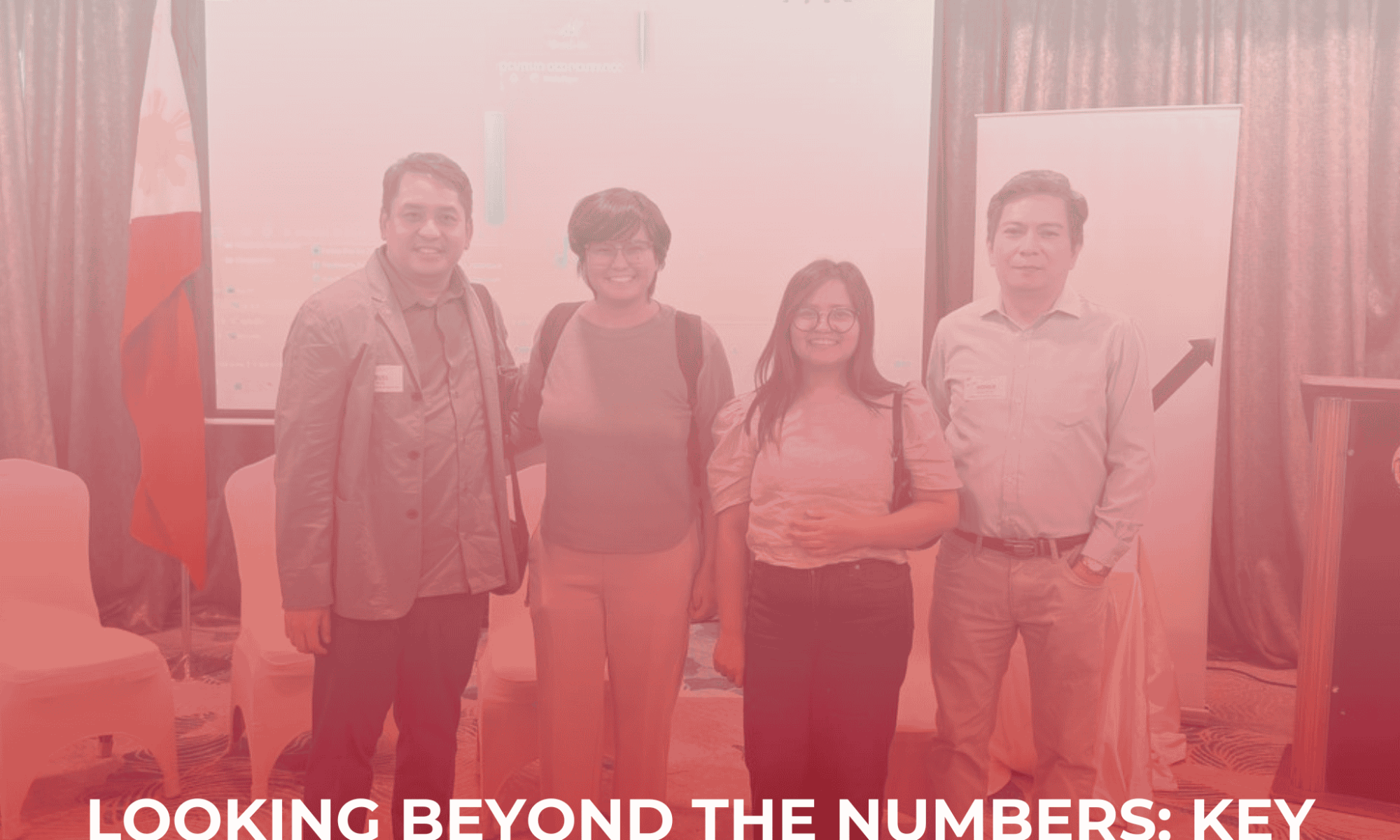
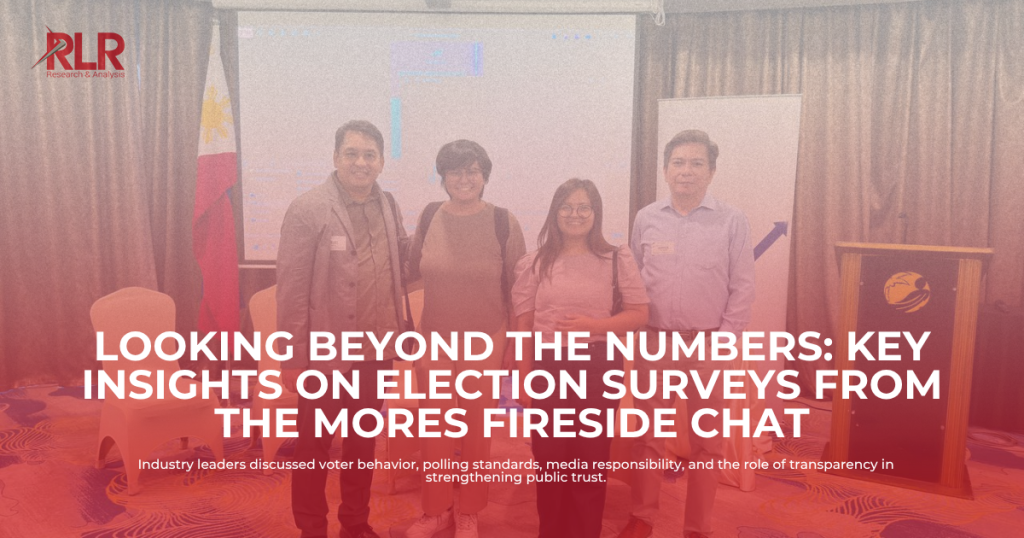
Looking Beyond the Numbers: Key Insights on Election Surveys from the MORES Fireside Chat

As election surveys continue to attract public attention ahead of every Philippine election, questions about their influence, credibility, and proper interpretation remain just as relevant as the numbers themselves. 

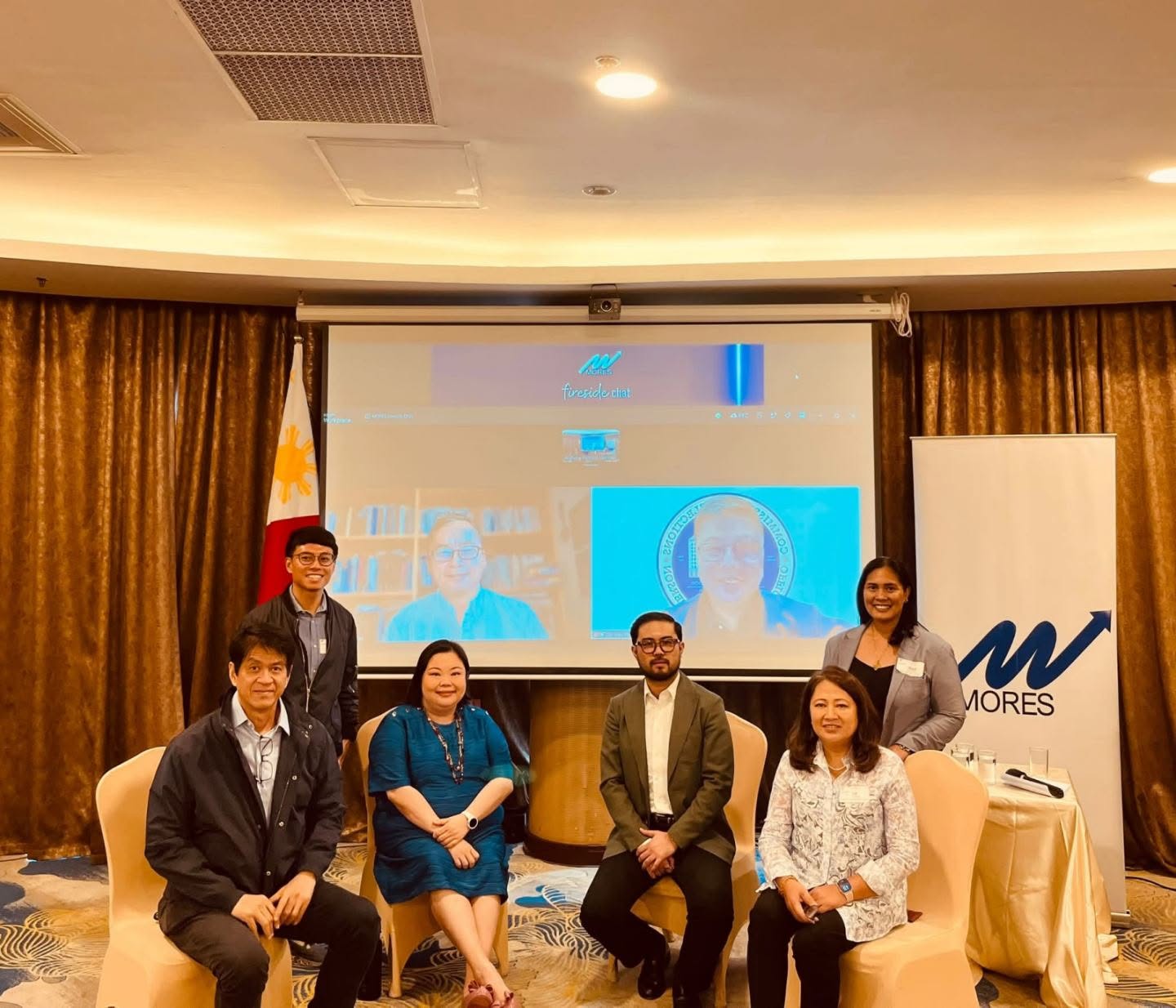
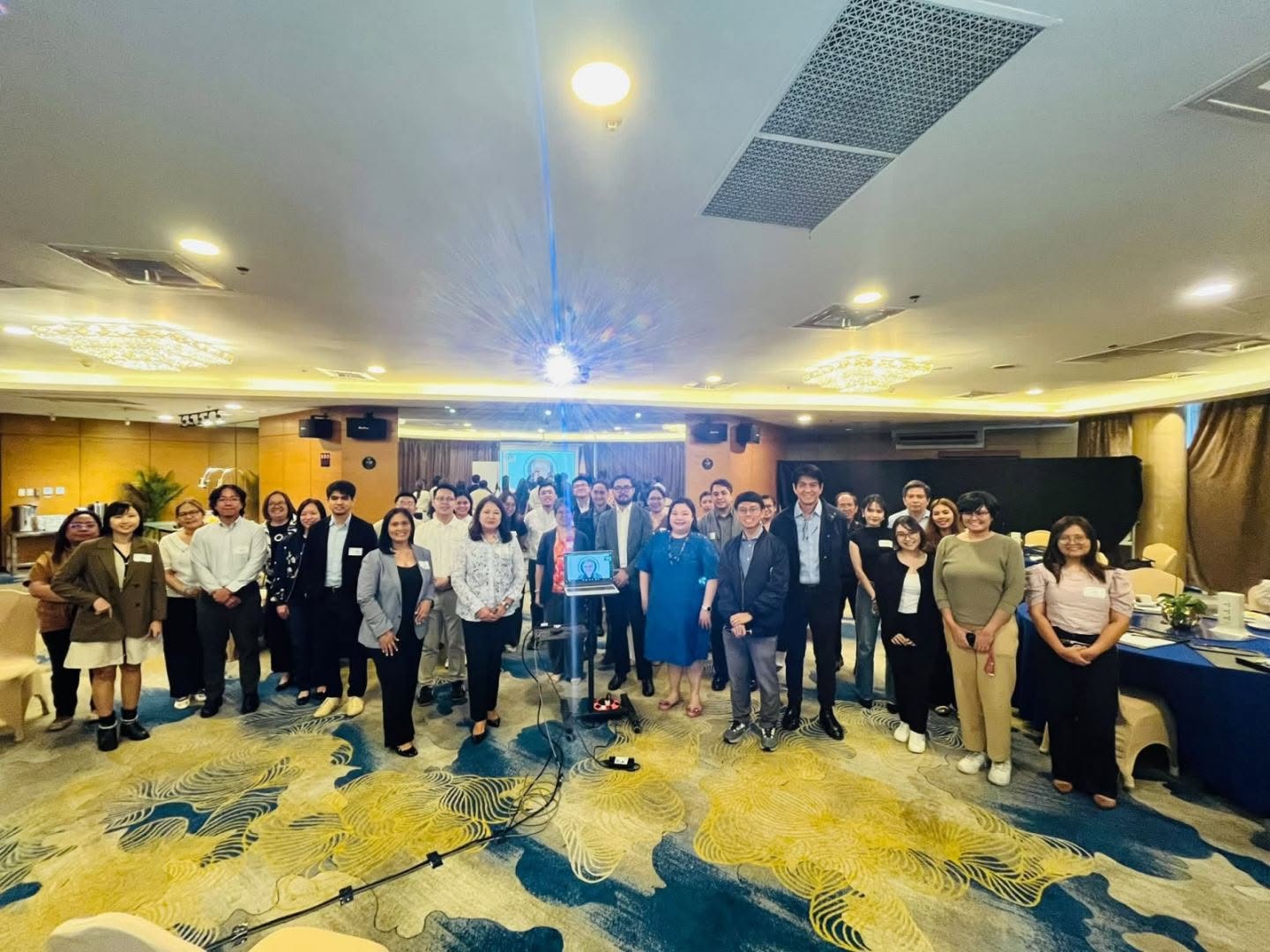
To encourage meaningful dialogue on these issues, the Marketing and Opinion Research Society of the Philippines (MORES Philippines) hosted its fireside chat, “Beyond Percentages: What Election Surveys Really Tell Us,” on July 13, 2026, at Podium Hall, Ace Hotel & Suites, Pasig City. The event brought together leaders from government, public opinion research, media, and academia to examine how election surveys influence public discourse and how greater transparency and responsible communication can strengthen public trust in research.

Slide

Photo Courtesy of: MORES Philippines and Abigail Quijano

The panel featured Atty. John Rex Laudiangco, Official Spokesperson of the Commission on Elections (COMELEC); Dr. Ronald Holmes, President of Pulse Asia; Cleave Arguelles, Founder and CEO of Momentum Research; and Joyce Pañares, Managing Editor of Manila Standard and Training Director of the Philippine Press Institute. The discussion was moderated by GR Ariston and Nicco de Jesus, who guided the conversation through topics including voter behavior, polling methodologies, media responsibility, and the growing challenge of misinformation during elections.

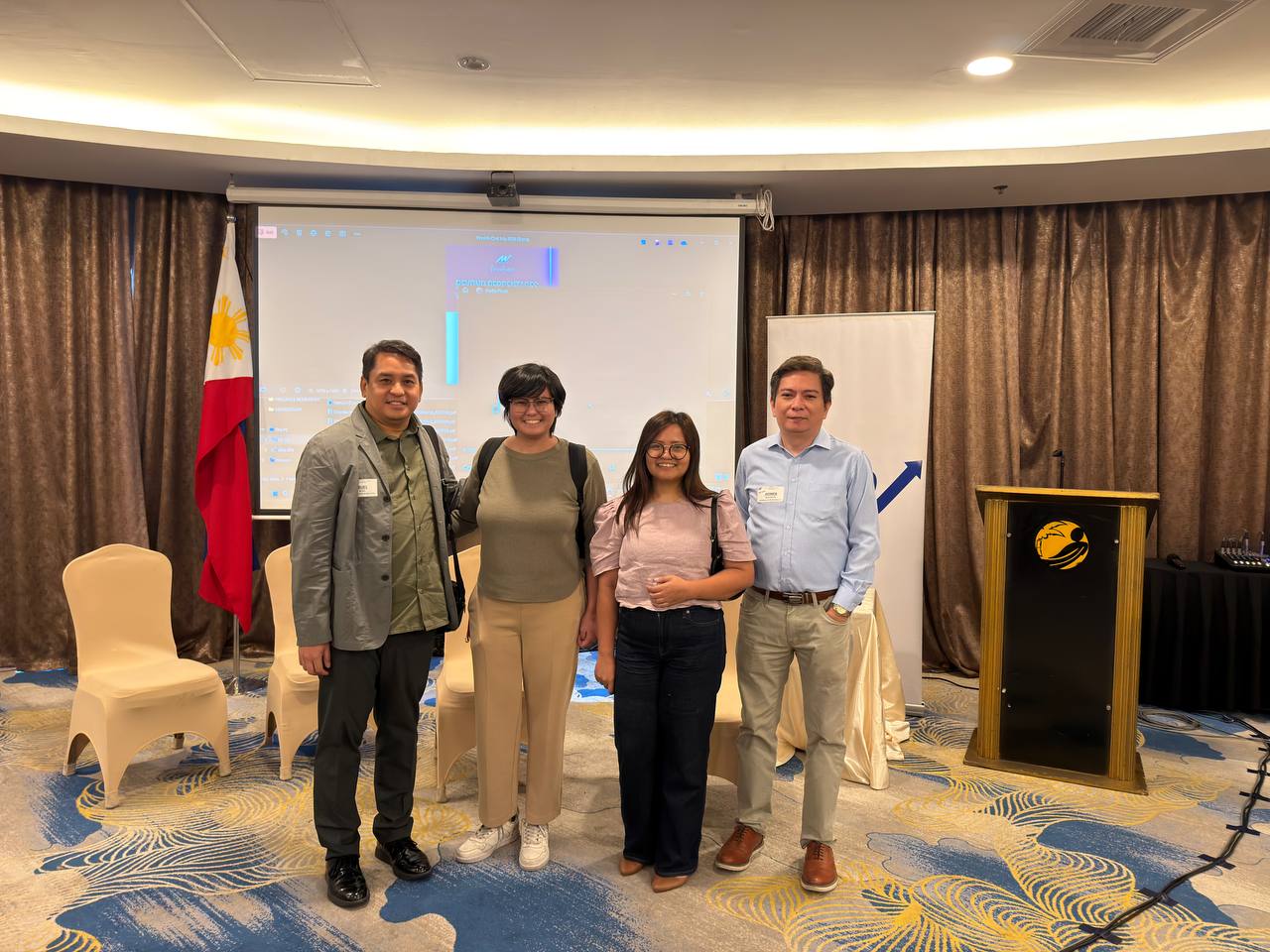
Also in attendance were representatives from RLR Research & Analysis—Ruel Rosal (President & CEO), Homer Marundan (Research Director), Abigail Quijano (Junior Research Director), and Nancy Fernandez (Junior Research Manager)—who joined fellow members of the research community in the exchange of ideas and best practices on public opinion research.

Election Surveys Inform–They Don’t Decide

One of the first questions raised during the fireside chat was perhaps the most familiar: Do election surveys influence how people vote?

Dr. Holmes explained that while concepts such as the bandwagon effect, the underdog effect, and strategic voting have long been discussed in political science, there is still no conclusive evidence that published surveys alone determine electoral outcomes. Voters are exposed to many influences—from campaign messaging and news coverage to conversations within their communities—and surveys are only one source of information among many.

Building on this point, Arguelles said that voting behavior in the Philippines is shaped by a range of social, cultural, and political factors, with ethnolinguistic identity remaining one of the strongest predictors of voting preference. At the same time, he emphasized that Filipino voters are far from monolithic. Some base their choices on candidates’ platforms and policy positions, while others are influenced by personalities, emotions, or how candidates present themselves to the public. He also noted that many Filipinos finalize their choices much later than commonly assumed, with a large share of the electorate deciding only during the final week of the campaign—or even on Election Day itself. This fluidity, coupled with the tendency to overestimate under-voting, reinforces the idea that election surveys should be viewed as snapshots of public opinion at a specific point in time rather than definitive predictions of election results. 

Transparency Builds Confidence

The discussion then turned to COMELEC’s efforts to improve transparency in election surveys.

Atty. Laudiangco clarified that COMELEC’s registry for survey practitioners is not intended to regulate or censor research organizations. Instead, it aims to encourage greater openness by making important survey information—such as methodologies, sample sizes, fieldwork dates, sponsors, funding sources, geographic coverage, margins of error, and, where applicable, raw data—available for public scrutiny.

He explained that this approach allows researchers, journalists, and the public to evaluate survey quality more critically. By placing methodological information in the open, legitimate practitioners are better equipped to challenge questionable surveys through scientific scrutiny and peer evaluation rather than regulatory intervention.

Arguelles agreed that transparency is essential but emphasized that scientific standards are best upheld within the research community itself. Methodologies, he said, should continue to be evaluated through professional debate and peer review.

Context Gives Numbers Meaning

Pañares reminded participants that survey results carry significant influence because people naturally perceive numbers as objective. That makes context just as important as the data itself. Journalists, she said, have a responsibility to explain who commissioned a survey, how it was conducted, and what its findings actually mean—not simply report rankings or percentages.

She also highlighted the growing threat of malinformation—the deliberate use of accurate information presented out of context to create misleading narratives. Unlike misinformation, which stems from false or inaccurate information, malinformation manipulates genuine data to influence public opinion. The panel agreed that helping audiences understand both the strengths and limitations of survey findings is an important safeguard against this emerging challenge.

Why Methodology Still Matters

The conversation also explored the growing use of online surveys and AI-assisted research.

While these approaches have expanded the research toolkit, panelists agreed that face-to-face probability sampling remains the gold standard for measuring national public opinion. Given the country’s uneven internet access and the need for representative sampling, carefully designed face-to-face surveys continue to provide the most reliable picture of the electorate.

Equally important is transparency. Publishing methodological details allows researchers, journalists, and the public to examine survey quality, identify weak or misleading claims, and distinguish credible public opinion research from unscientific polling.

Looking Ahead

As future elections unfold amid faster news cycles and an increasingly digital information landscape, the responsibility to communicate survey findings accurately extends beyond research organizations. Journalists, policymakers, educators, and the broader research community all have a role to play in ensuring that data is interpreted responsibly and placed in its proper context. When rigorous methodology is paired with transparency and responsible reporting, election surveys become a valuable resource for informed public discourse and a stronger democratic process.

Asian Development Bank Partners with RLR for Nationwide SkillsUpNet PH Impact Evaluation

RLR Research & Analysis, Inc. (RLR) has partnered with the Asian Development Bank (ADB) to conduct the SkillsUpNet Philippines Phase 2 Impact Evaluation Survey, a study that will assess the outcomes of the program’s training grants intervention and its contribution to workforce skills development in the Philippines.

SkillsUpNet Philippines is a joint initiative of the Government of the Philippines and the Asian Development Bank that was piloted from 2022 to 2023. Through a competitive grant mechanism, the employer-led program enables networks of employers to deliver demand-driven skills training that equips workers across various industries and regions with relevant competencies. The impact evaluation will generate data on the effectiveness of these training grants in enhancing workforce capabilities and supporting the program’s objectives, providing valuable insights for future skill development initiatives.

The study involves 360 participating firms and 3,600 employees, with ten employees selected from each firm. Data collection for firms is conducted through a combination of telephone interviews, face-to-face interviews, and self-administered online questionnaires. For employees, these are carried out through face-to-face interviews. The mixed-methods approach is designed to capture comprehensive perspectives from both employers and employees on the implementation and outcomes of the program.

This engagement further reinforces RLR’s expertise in delivering nationwide market research, impact evaluation, and business intelligence solutions for government, development, and private sector initiatives across the Philippines. The findings will provide reliable insights to help improve workforce development programs and support economic growth in the country.

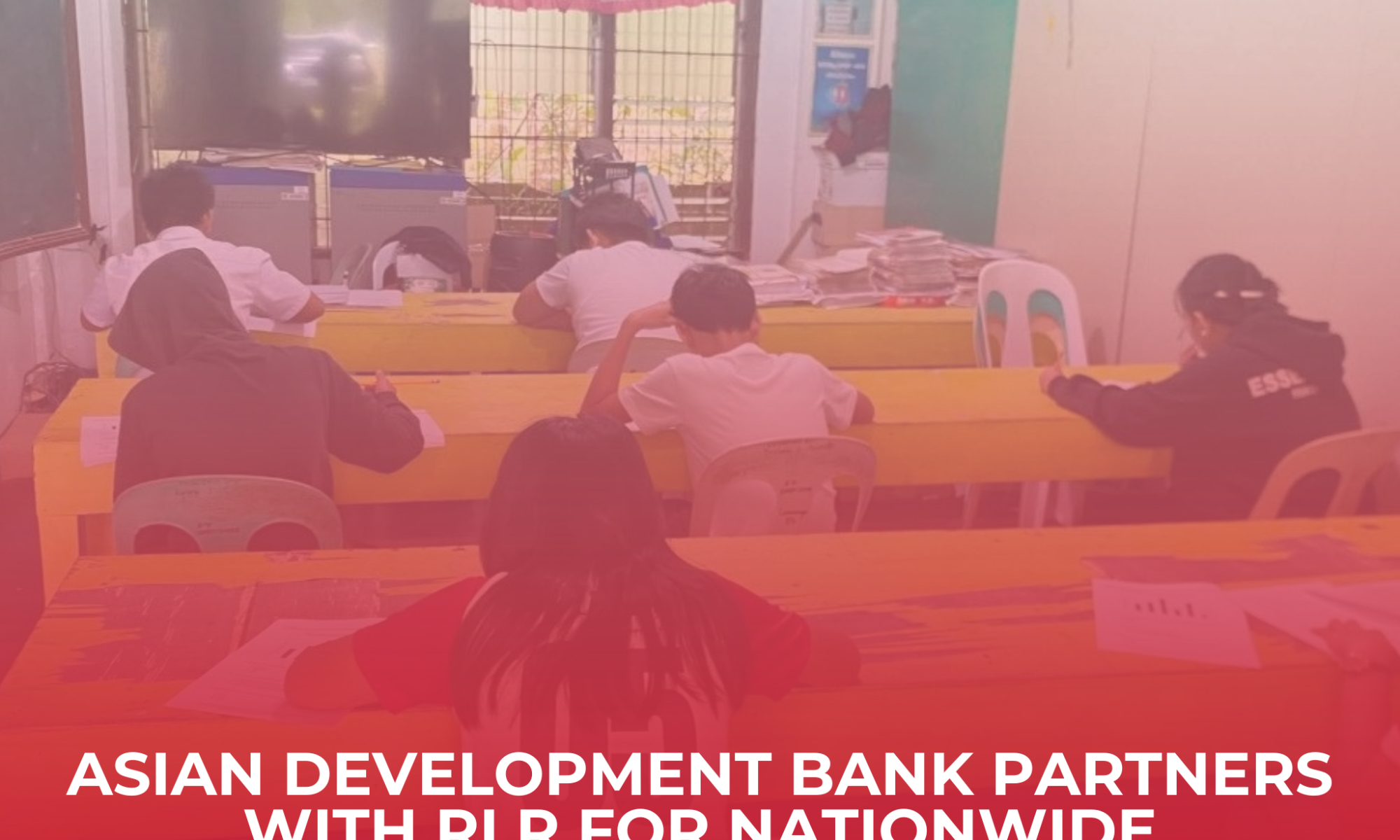
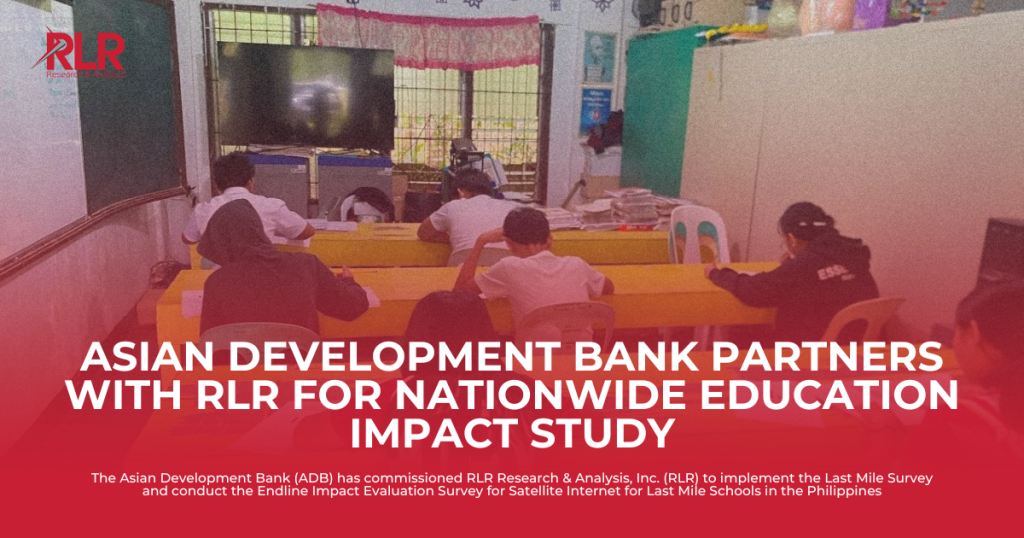
Asian Development Bank Partners with RLR Research & Analysis for Nationwide Education Impact Study

The Asian Development Bank (ADB) has commissioned RLR Research & Analysis, Inc. (RLR) to implement the Last Mile Survey and conduct the Endline Impact Evaluation Survey for Satellite Internet for Last Mile Schools in the Philippines.

As an established leader in the market research and business intelligence industry in the Philippines, RLR will assess how low Earth orbit (LEO) satellite internet affects students’ learning and study practices in schools located in far-flung areas. The results of this research will be used to scale up interventions for other regions’ learners and design future education projects in the Philippines and other developing member countries.

The nationwide survey will cover 42 schools across Abra, Kalinga, Bohol, and Zamboanga Sibugay, reaching approximately 1,710 respondents–including students, school administrators, and teachers. Data collection will utilize a mixed-method approach through Optical Mark Recognition (OMR) assessments and Computer-Assisted Personal Interviews (CAPI).

This partnership with ADB reinforces RLR’s expertise in delivering large-scale market research and business intelligence solutions through conducting and managing impact evaluation studies that involve stakeholder coordination with government agencies and school communities. Through rigorous field operations and evidence-based research, RLR continues to support initiatives that create meaningful and lasting impact across the Philippines.

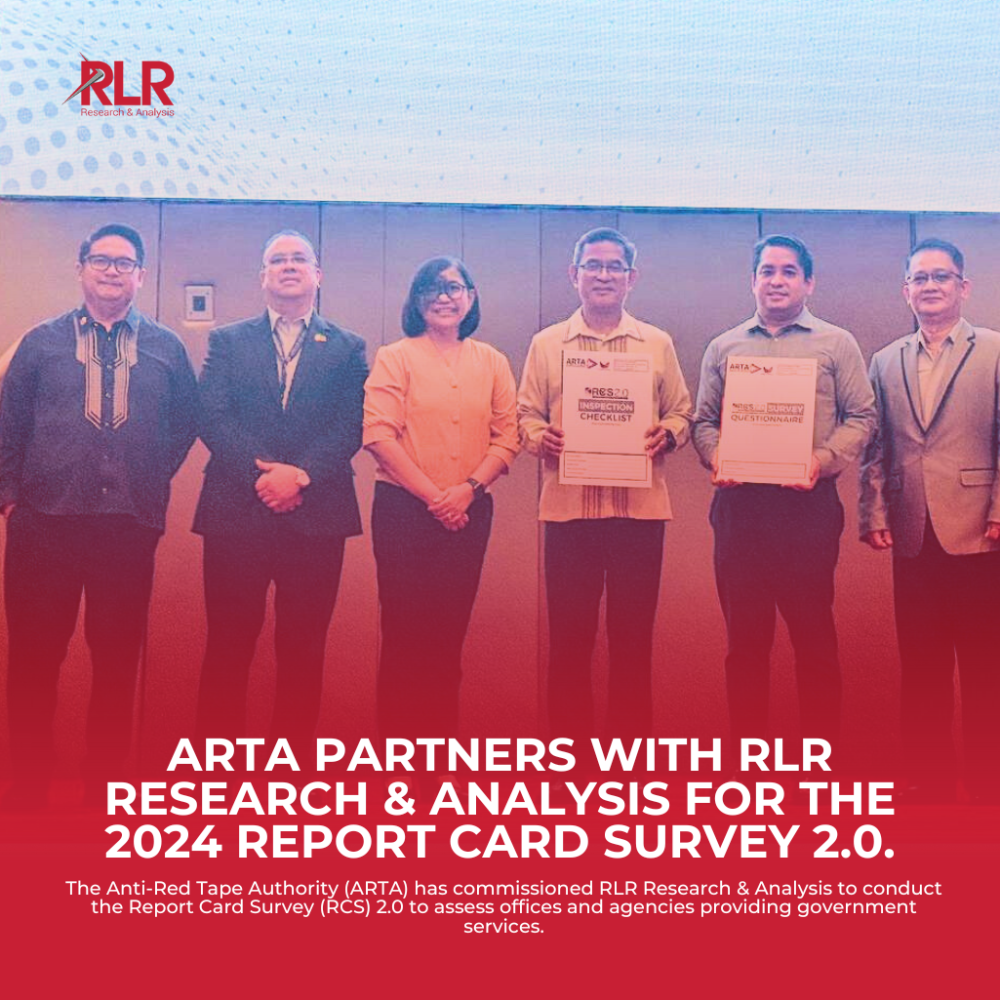
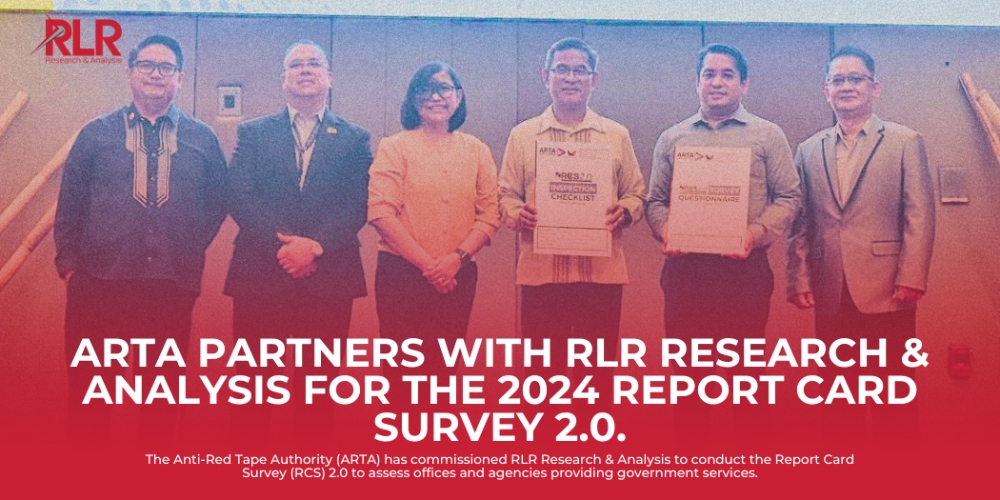
Anti-Red Tape Authority Partners With RLR Research & Analysis For The 2024 Report Card Survey 2.0

The Anti-Red Tape Authority (ARTA) has commissioned RLR Research & Analysis to conduct the Report Card Survey (RCS) 2.0.

In coordination with the Civil Service Commission (CSC) and the Philippine Statistics Authority (PSA), ARTA is mandated to conduct this project through Section 20 of Republic Act No. 11032 or the Ease of Doing Business and Efficient Government Service Delivery Act of 2018.

The Report Card Survey assesses offices and agencies providing government services to evaluate their streamlining initiatives and determine if they deliver efficient government service. Specifically, it measures the effectiveness of the Citizen’s Charter in reducing regulatory burdens and the impact of the human resource systems and the programs in delivering efficient government service.

All government agencies and offices providing government services are subjected to the survey, including but not limited to local government units (LGUs), government-owned or controlled corporations (GOCCs), and other government instrumentalities.

Notably, the Implementing Rules and Regulations of the R.A. No. 11032 states that the results of the RCS study will be the basis of the grant of awards, recognitions, and incentives for government agencies.

To read more about the project, visit the primer on RCS 2.0: https://arta.gov.ph/report-card-survey-rcs-2-0/

Launch of RLR Research & Analysis, Inc.’s New Website

RLR Research & Analysis, Inc. (RLR), a leading provider of data-driven market research, business solutions, and analysis in the country, is thrilled to announce the launch of its new redesigned website aimed at enhancing user experience and streamlining information access to its wide range of research solutions and analytical tools.

The new website is accessible at www.rlrresearch.com and represents a significant milestone in RLR’s commitment to innovation and client satisfaction. With a sleek interface, visitors to the site will enjoy improved navigation, responsive and modern design across all devices, and enriched content tailored to meet the needs of our clients.

Why Visit Our Website? Visitors to the site can easily explore RLR’s comprehensive suite of specialized services through intuitive navigation menus and simple search functionality. Connect with our team for customized research solutions.

Quote from the CEO, President, and Research Unit Head of RLR, Mr. Ralph Ruel L. Rosal: “Our new website reflects our commitment to excellence and innovation. We invite clients, partners, stakeholders to explore our improved and user-centric-designed website and get an idea of how RLR can help you today to support informed decision-making and drive business growth.”

For media inquiries, please contact:
Mr. Raphael Paulo O. Lozada,
Junior Research Manager, RLR Research & Analysis, Inc.
Email: paulo@rlrresearch.com

Mr. Armando Sanarez
Senior Human Resources Manager, RLR Research & Analysis, Inc.
Email: armand@rlrresearch.com Mobile: 0977-116-9608

RLR Research & Analysis, Inc. is a full-service market research agency established in 2013 whose primary purpose is to provide comprehensive and complete servicing for market research and business intelligence. The company offers a line-up of specialized solutions and services on market research and data analysis, business consultancy, and project management.

The Company provides customized research design, fieldwork implementation, data analysis with applicable statistical runs for established companies, non-profits, or government agencies to suit their respective business needs and requirements.

RLR Research & Analysis Selected for the 2021 Consumer Finance Survey of BSP

From Bangko Sentral ng Pilipinas (with edits from RLR)

The Bangko Sentral ng Pilipinas (BSP) will begin its conduct of the 2021 Consumer Finance Survey (CFS) on 26 March 2022. The CFS is a triennial nationwide survey on the financial condition of Filipino households, specifically their assets, liabilities, income, and expenditure. The BSP has commissioned the services of RLR Research and Analysis, Inc. (RLR), an independent market research firm, to collect the necessary data on behalf of the BSP. The CFS data collection activities are scheduled to be completed by the end of October 2022.

The BSP is authorized to require from any person or institution any data, for statistical and policy development purposes under Section 23 of the BSP Charter (Republic Act (RA) No. 7653 as amended by RA No. 11211). The data collected will be handled with utmost confidentiality, following the pertinent Philippine laws, and the said data will not be made available to any person or entity outside of the BSP, whether public or private, except under order of the court or under such conditions as may be prescribed by the Monetary Board. The survey results, as with all BSP-released statistics, will be published in aggregate form to safeguard the identities of the respondents. For information about the BSP’s privacy policy, kindly visit https://www.bsp.gov.ph/Pages/AboutTheBank/BSPPrivacyPolicy.aspx.

The BSP encourages the selected families to participate in the said survey for a more accurate representation of the financial condition of consumers in the Philippines. The Philippine Statistics Authority (PSA), in support of this initiative, has likewise posted information about the conduct of the 2021 CFS on their website https://psa.gov.ph/content/psa-grants-clearance-conduct-2021-consumer-finance-survey.

For the official announcement from BSP, visit https://bit.ly/Advisory_CFS2021.

Measuring Voter Decision Strategies

“The election atmosphere is now shaping up, with only a year before the 2022 national elections. Our research looks into how the voting Filipino’s mind works when choosing those they want to elect into government”

The survey aims to uncover strategies Filipino voters use to reach their decisions on whom to vote for in the elections. This in turn can show potential trends in voter preference in the elections
MEASURING VOTER DECISION STRATEGIES 1

45% or 20.5 million of Filipino voters rely on scant information, and do away with thorough consideration of alternatives when choosing candidates

previous arrow
next arrow
 
FAST & FRUGAL
FAST & FRUGAL

They are motivated primarily by efficiency, actively seeking only the most diagnostic information that will allow them to quickly make the correct choice. Information-seeking should be limited to the one or two most important/diagnostic criteria, but those few criteria should be evenhandedly applied to every alternative in the choice set. Shallow but comparable search.

MOSTLY INFLUENCED BY MEDIA NEWS; CAMPAIGN PLATFORM IS CONSIDERED; DRIVEN BY WHAT THEY NEED.

previous arrow
next arrow

“These results show the diverse methods Filipino voters employ when choosing a candidate. Understanding the mind-set of voters will be essential to see the trends in the upcoming polls”

Majority of voters depend on thinking strategies that help them arrive at their candidate of choice.  We also found that respondents mentioned the following, among others, as factors affecting their choices: policy stands of candidates or their parties; past performance in office, particularly for re-electionists, characters of candidates, and social identifications and associations, particularly political alliances.

45% or 20.5 million of Filipino voters rely on scant information, and do away with thorough consideration of alternatives when choosing candidates to cast their ballots for, a survey conducted by RLR Research & Analysis, Inc. (RLR) shows.

The research reveals that nearly half of the voting population considers word of mouth information, and party affiliations as relevant factors in picking a political candidate. Likewise, majority of voters will base their decisions on their gut-feel about a candidate come election time.

“The election atmosphere is now shaping up, with only a year before the 2022 national elections. Our research looks into how the voting Filipino’s mind works when choosing those they want to elect into government,” Joel Flores, RLR Polling and Social Team Head said.

Of the 20.5 million voters, 6.4 million are classified as Heuristic-based decision-makers by the study. The research firm depicts them as generally motivated to make good decisions and choosing to arrive at such a decision as easily as possible. They are quick to drop alternative candidates as soon as any negative news is heard about them. They are mostly influenced by what they know about their candidates and word of mouth. Heuristic-based decision makers are prone to being swayed by fake news.

Also according to the study, 5.9 million voters use confirmatory decision making. The research body describes confirmatory voters as those who value the personality and party affiliation of a candidate. Theirs is more of a passive way of information gathering and they are typically selective with the data they consume. Data which are often skewed towards their favored party or candidate.

Completing the 45% of biased decision-makers are the 8.2 million that are tagged by the study as gut decision-makers. These are voters who are not inclined to search for information about any candidate. They are less inclined to actively gather information about alternatives. Choices about candidates are made on the premise of how they make gut decision-makers feel, the study says.

The survey aims to uncover strategies Filipino voters use to reach their decisions on whom to vote for in the elections. This in turn can show potential trends in voter preference in the elections.

“We found that majority of voters depend on thinking strategies that help them arrive at their candidate of choice. We also found that respondents mentioned the following, among others, as factors affecting their choices: policy stands of candidates or their parties; past performance in office, particularly for re-electionists, characters of candidates, and social identifications and associations, particularly political alliances of candidates,” Flores said.

Meanwhile, the survey has also shown that approximately 16 million voters or 34% of the voting population are conscientious with regards to collecting information about candidates.

“This one-third of the population will responsibly spend time and effort to arrive at an informed decision. They can be described as ideal voters,” Flores said.

The poll shows that, 9.3 million can be classified as rational choice voters. These voters actively gather as much information about election candidates. They weigh the positive and negative attributes of each candidate and base their decision on balanced choices.

Rounding up the five thinking strategies are the fast and frugal decision makers, who comprise 6.7 million of the voting population. They are mostly motivated by efficiency, seeking information that will help them arrive at a correct choice quickly. Fast and frugal voters are typically influenced by what is on news media. They also consider the campaign platforms of candidates, and will likely choose a candidate that can provide what they particularly need.

“Yet, the survey also shows that there are still 10.3 million voters or 22% of the population that show no distinct pattern of decision-making. They tend to shift from one strategy to another without deliberate thought.” Flores said.

Survey respondents classified as “Unpredictables” by the study have likewise been noted to be more prevalent in the rural areas. They are considered as impulsive decision-makers resorting to the use of different thinking strategies for various scenarios.

Meanwhile, respondents situated in urban areas are noted to be more inclined to gather information about candidates.

“These results show the diverse methods Filipino voters employ when choosing a candidate. Understanding the mind-set of voters will be essential to see the trends in the upcoming polls,” Flores said.

The research firm conducted the survey fieldwork from February 25 to March 8, 2021 using face-to-face interviews. The study had 1,500 respondents nationwide composed of 300 respondents each from the National Capital Region, North and Central Luzon, South Luzon, Visayas and Mindanao. Likewise, all respondents are 18 years of age and above, registered voters, and with intention to vote in 2022. All eco-classes are represented in the study.

“This study opens a host of opportunities for finding out the behavior and needs of the voting population to be able address those needs,” Flores said.

RLR Research & Analysis has been undertaking market research studies since 2013. The company’s research specialization lies in automotive, healthcare, and polling among other industries. Its studies and recommendations have been behind the market positioning of some of the most prominent brands, personalities, local and multinational corporations and organizations.

The company’s core services include: Market Research, Business Intelligence, Consulting, Data Management and Operations, Data Management and Analysis, Polling and Public Opinion, Consumer, Automotive and Social Research.

It is dedicated to providing its clients with ethical and best-in-class research, strictly adhering to the Code of Professional Ethics and Practices set forth by the Marketing and Opinion Research Society of the Philippines (MORES).

The RLR office is located 4F Kalayaan Center in Diliman, Quezon City and can be reached at (632) 7750-0944 (local 103). For inquiries, contact MR. JOEL FLORES (joel@rlrresearch.com) or MS. ABI QUIJANO (abi@rlrresearch.com).